

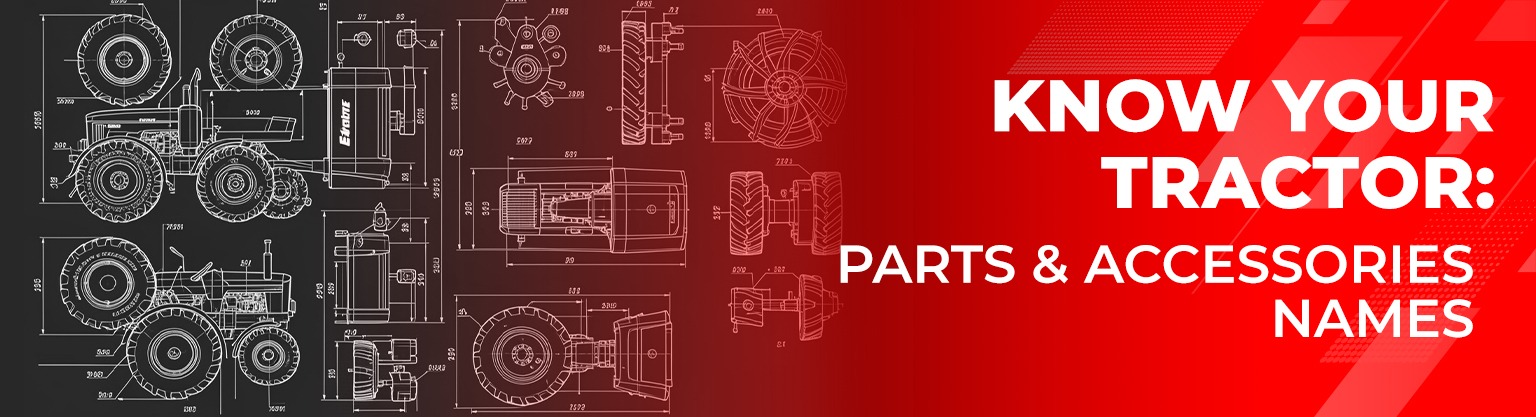
Introduction to Tractor Parts and Accessories
A tractor is not a single piece of equipment. It is a complete system comprising engine, hydraulics, gearbox, steering, brakes, and electricals, and they all work as a team. And when something goes wrong with even one little part, the entire farming process might get disrupted. This is why knowing the names of tractor parts is a useful skill that farmers, operators, and even new tractor owners should have.
Knowing the correct tractor parts and their purpose gives you the ability to explain problems effectively, prevent improper replacements, and even have a better plan of maintenance. It also comes in handy when you are purchasing spare parts, comparing service quotes, or choosing accessories that actually contribute towards tractor performance.
Tractor Engine Parts
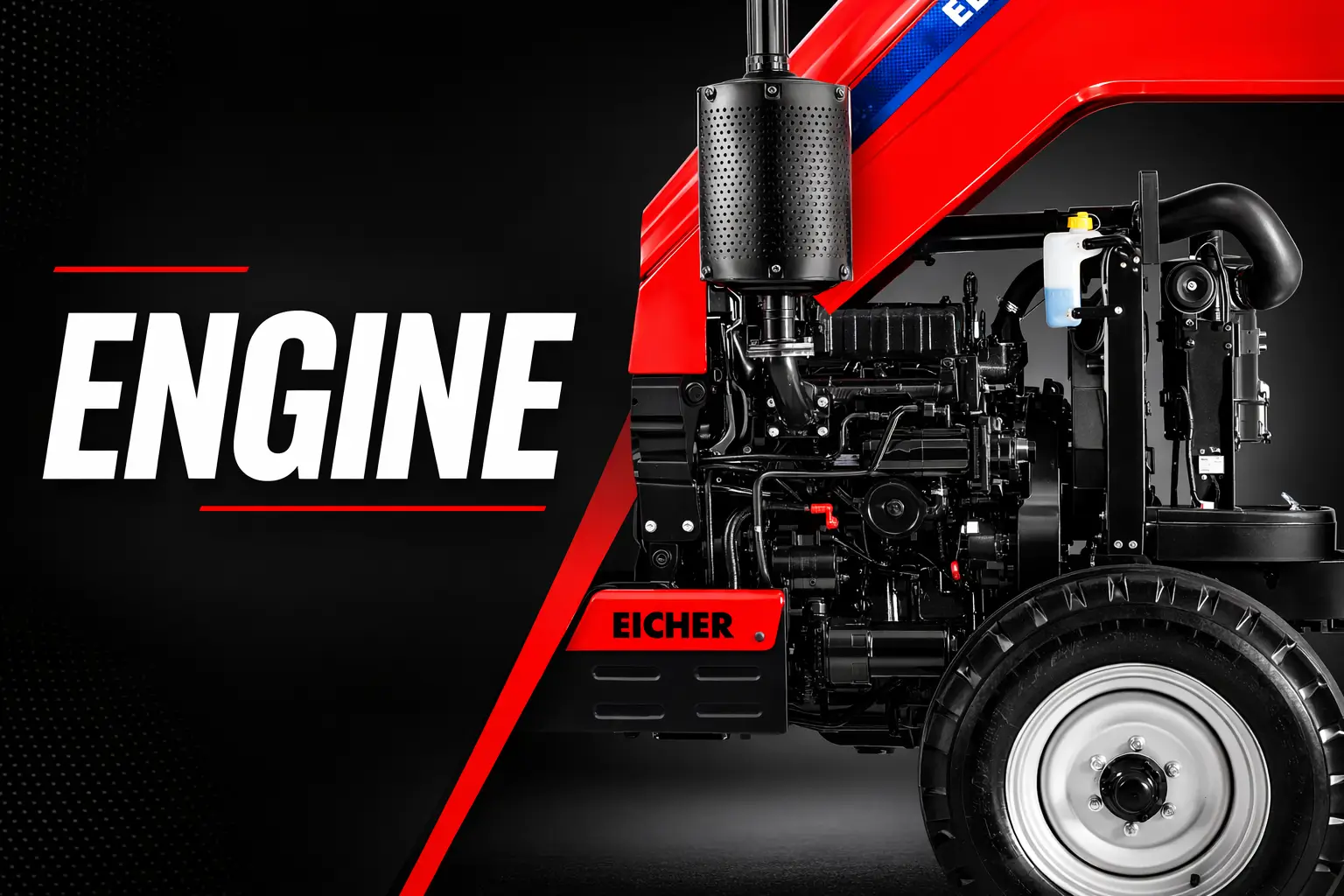
The most important part of the tractor is the engine. These components of tractor engines produce power, manage combustion, and ensure operations are smooth, whether you are running a cultivator, moving loads, or managing implements.
Common tractor engine parts include:
- Engine block – the main structure that houses cylinders and passages
- Cylinder head – seals the top of cylinders and supports valves/injectors
- Pistons – move up/down to create power from combustion
- Crankshaft – converts piston motion into rotational power
- Fuel injector – sprays fuel into the combustion chamber in a precise quantity
- Air filter – keeps dust and dirt out of the engine for cleaner combustion
Most Eicher Tractors models have engine systems that are designed to withstand the hot, dusty environments of farms, something farmers like about them. With clean filters and injectors, you will find that the pickup is smooth and responsive and that the unexpected breakdowns will be reduced.
Tractor Transmission Parts
Transmission is how your tractor converts engine power into usable movement. These tractor transmission parts help the tractor move, pull, climb, and work under load without struggling.
Key tractor transmission parts include:
- Clutch assembly – connects/disconnects engine power to the transmission
- Transmission shaft – transfers power through the drivetrain
- Differential – allows wheels to rotate at different speeds during turns
- Final drive – delivers torque from the differential to the wheels
In real life, when transmission parts wear out, you’ll feel the tractor slipping, experience reduced pulling strength, noisy operation, or difficulty shifting. That’s why keeping transmission oil and clutch settings in check matters.
Tractor Gearbox
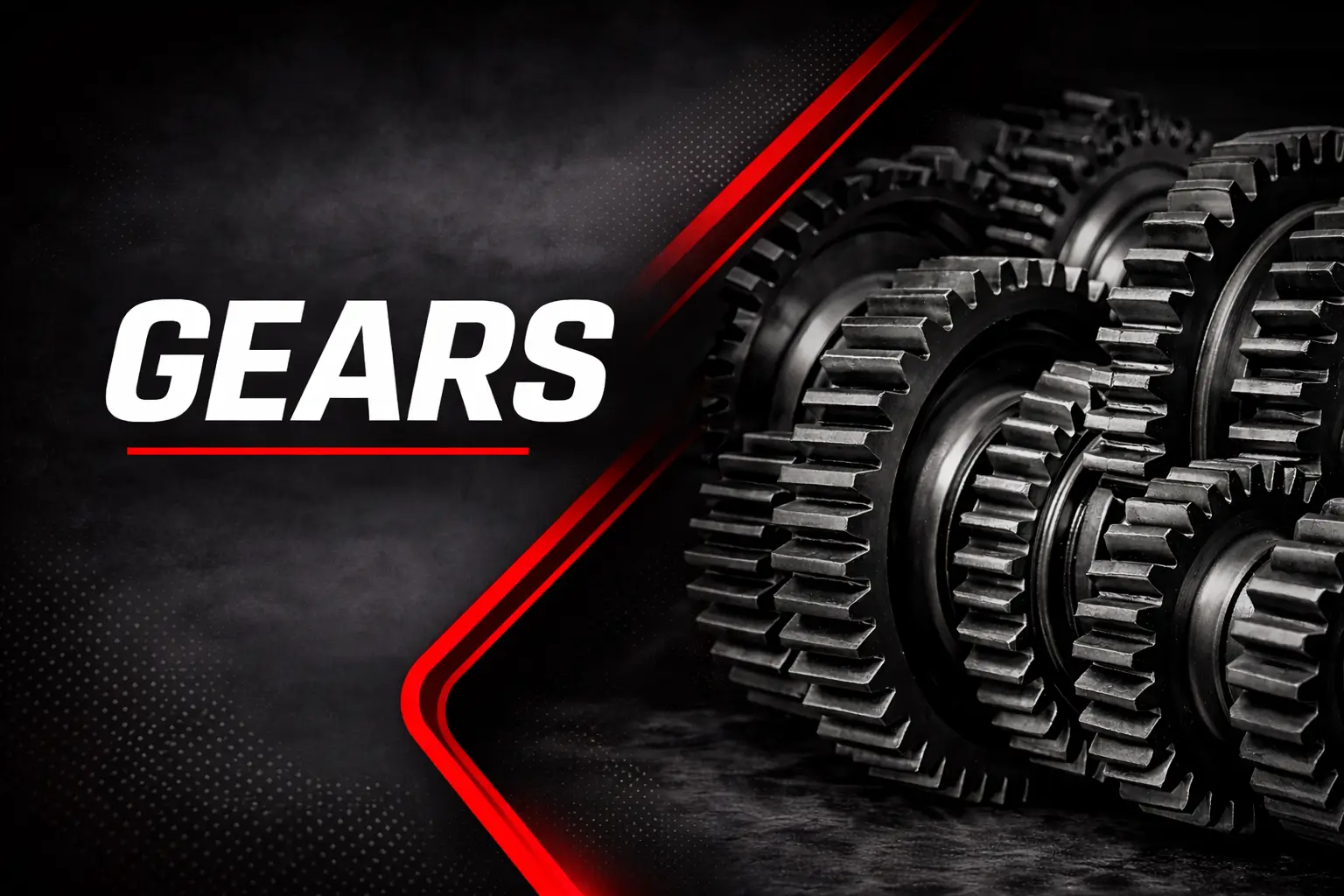
The tractor gearbox is the control centre for speed and torque selection. It helps you choose the right gear for the right job – light transport, heavy haulage, tillage, or PTO-driven work.
A good gearbox makes the tractor easier to operate and reduces stress on the engine. That’s why farmers prefer smooth gear shifting, especially during long working hours.
Tractor Clutch Parts
The clutch is what helps you engage and disengage power from the engine to the transmission. In simple terms, it gives you control, especially when starting, stopping, or changing gears.
Major tractor clutch parts include:
- Clutch plate – grips and transfers engine power
- Pressure plate – applies force to engage the clutch plate
- Release bearing – helps disengage the clutch smoothly
If the clutch is weak, the tractor may feel underpowered even if the engine is fine. A well-maintained clutch means less jerking, better control, and smoother gear changes.
Tractor Hydraulic Parts

Hydraulics are what make a tractor feel “useful” beyond just driving. These tractor hydraulic parts lift, lower, and control implements like ploughs, cultivators, seed drills, and loaders.
Important tractor hydraulic parts include:
- Hydraulic pump – generates hydraulic pressure
- Control valve – directs hydraulic oil flow for lifting/lowering
- Hydraulic cylinder – converts pressure into a lifting force
- Lift arms – connect to implements and raise/lower them
If hydraulics are strong, your implements work better. You get proper depth control, a cleaner field finish, and less rework.
Tractor Steering Parts and Tractor Steering System
A smooth tractor steering system means cleaner turning and safer operation, especially when you’re working long hours.
Common tractor steering parts include:
- Steering wheel – manual steering control
- Steering gearbox – converts steering input to movement
- Tie rod – links the steering gear to the wheels
- Power steering pump – supports easier turning in power-steering tractors
If steering feels heavy, shaky, or pulls to one side, it’s often a sign that the steering linkage or hydraulic support needs attention.
Tractor Brake Parts

Brakes aren’t just for road safety but are essential in the field too, especially on slopes, in wet soil, or while towing.
Main tractor brake parts include:
- Brake pedal – driver control input
- Brake disc – braking surface that slows rotation
- Brake drum – houses the braking mechanism (in drum brake setups)
- Brake lining – friction material that creates braking force
Strong brakes reduce the chance of slippage and improve control, especially during transport and turning with a load.
Tractor Electrical Parts

Electrical systems keep your tractor starting reliably and running basic functions like lighting and charging. A weak battery or faulty wiring can cause repeated starting issues, dim lights, or sudden electrical cut-offs.
Key tractor electrical parts names include:
- Battery – stores power for starting and electrical usage
- Alternator – charges the battery while the tractor runs
- Starter motor – cranks the engine to start it
- Wiring harness – connects electrical circuits safely
- Headlights – visibility for early morning or late working hours
Tractor Parts and Accessories
Now you should look for the practical add-ons. Tractor parts and accessories improve comfort, safety, balance, and convenience, especially when the tractor is used for long hours.
Popular tractor accessories include:
- Canopy – shade and weather protection
- Front weights – improve balance and traction
- Rear weights – stability for heavy implements and hauling
- Toolbox – keeps basic tools handy
- Seat cover – comfort and protection for long workdays
Importance of Knowing Tractor Parts Names
Knowing tractor part names helps you communicate better with mechanics, avoid wrong spare purchases, and stay in control of maintenance costs. It also helps you spot early warning signs and fix issues before they turn into bigger repairs. Over time, that knowledge adds up to smoother seasons and longer tractor life.